
Introduction
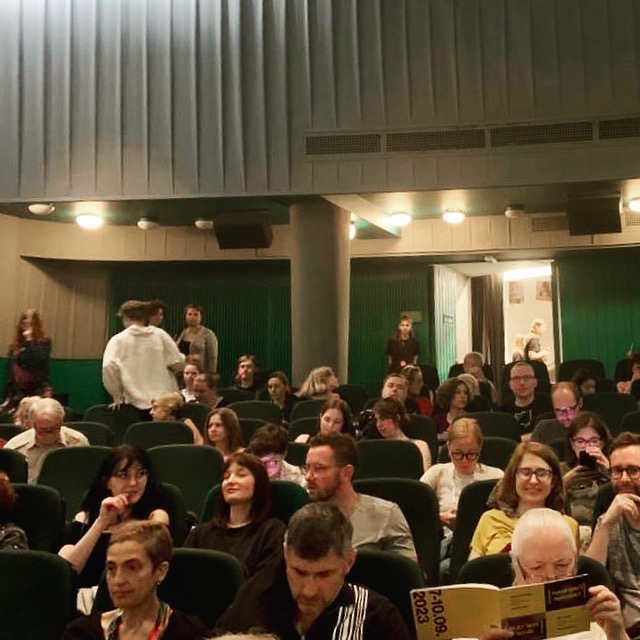
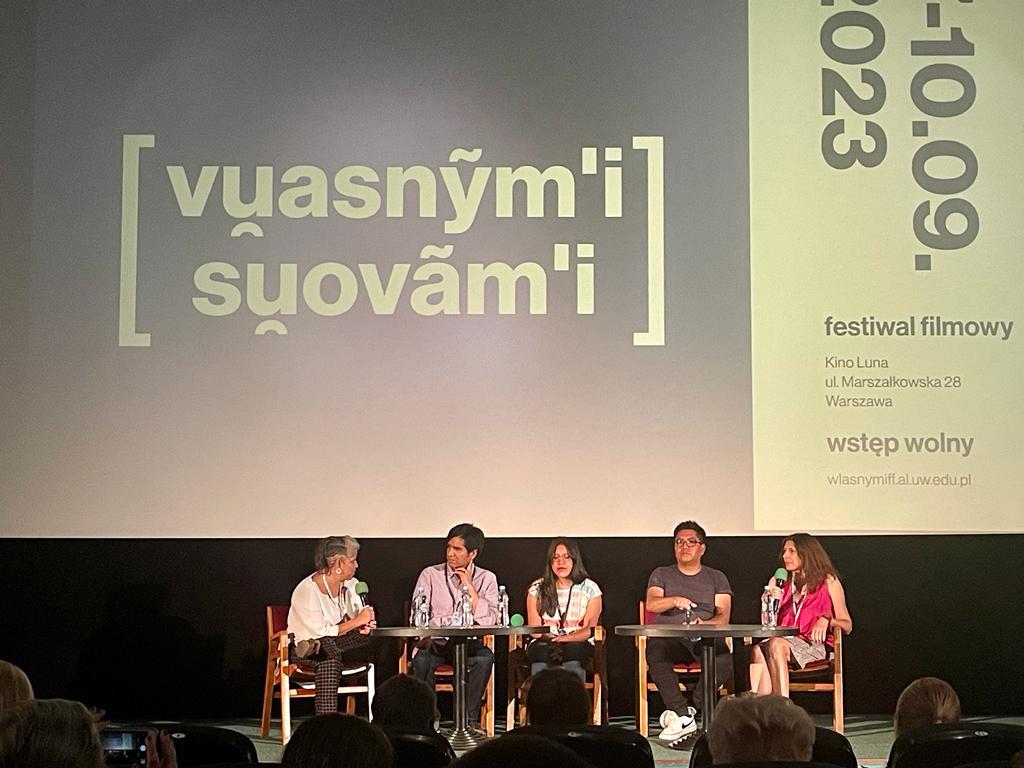
In a world grappling with the urgent issue of climate change, stories that shed light on its personal, emotional, and societal dimensions are vital. Itu Ninu, a Mexican film shot in Scotland, addresses this global concern in a unique way. The story follows two climate migrants in a not-too-distant future, attempting to connect through handwritten letters to evade a context of surveillance. On Saturday, September 9th, 2023, Itu Ninu premiered at the Własnymi Słowami (In our Own Words) Film Festival in Poland and screened at Kino Luna in Warsaw. The screening drew a sold-out audience of 300 people.


Reception
The film’s impact was evident in the passionate responses from viewers during the post-screening Q&A session. One audience member singled out the film’s soundtrack, praising it for its ability to evoke goosebumps. Another viewer described Itu Ninu as “extremely beautiful, deep, and thought-provoking”.
During the Q&A session, writer and actor Armando Bautista, who was present at the screening, shed light on the film’s beginnings. He revealed that the idea for Itu Ninu was born out of a shared concern among the filmmakers about the devastating impact of climate change on their home, the coastal regions of Scotland. These areas are at risk of being submerged within the next 30 years, a sobering reminder of the urgency of climate action.
Additionally, Armando spoke of his maternal language, an Indigenous language that UNESCO predicts might vanish within the next century. This dual fear of losing cultural heritage and the natural environment served as the driving force behind the film. Itu Ninu became a piece through which the filmmakers could express the profound sense of loss and, simultaneously, the urgency to cultivate hope and prevent the impending cultural and environmental disasters.
A notable and intriguing aspect of Itu Ninu is its subtle reference to the renowned Polish filmmaker Krzysztof Kieslowski, in some of its imagery. His film La double vie de Véronique, inspired some of the film’s visuals, adding an extra layer of depth and complexity to the narrative.
Conclusion
Itu Ninu transcends geographical boundaries to address the shared global challenges of our time. Its screening at the “In our Own Words” Film Festival in Poland provided an opportunity for audiences to connect with the film’s narrative and engage in vital conversations about climate change, cultural preservation, and the imperativeness of hope and action. As the film continues to its festival journey, it serves as a poignant reminder that storytelling possesses the remarkable power to inspire change, foster empathy, and initiate dialogues about pressing issues.
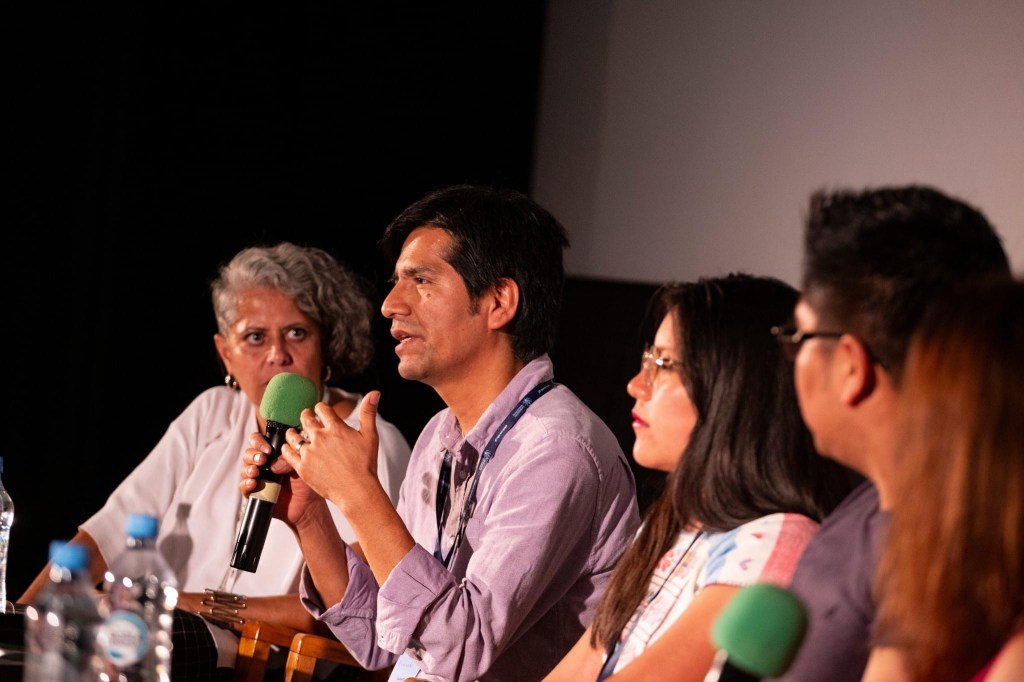
Photo by Agatha Steifer
 Itu Ninu
Leave a comment