
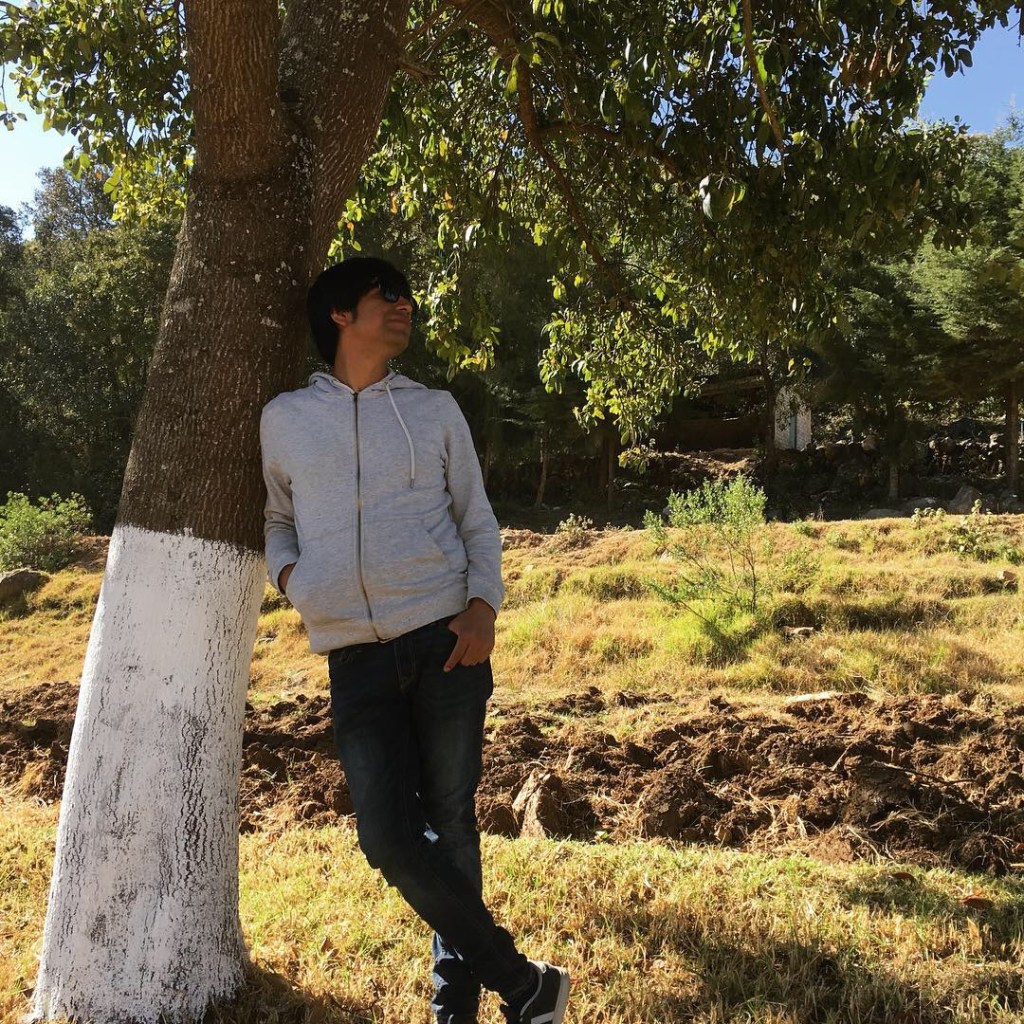
We sat down for an interview with Armando Bautista García, actor in Itu Ninu, and also screenwriter and producer for the film. Armando earned a Master’s degree in Philosophy at the Autonomous University of Barcelona with a Ford Foundation scholarship. He has written stories, theatre, and film scripts in both Mixtec and Spanish, and received the prestigious grant from the National System of Art Creators of CONACULTA.
How did you start writing in Mixtec?
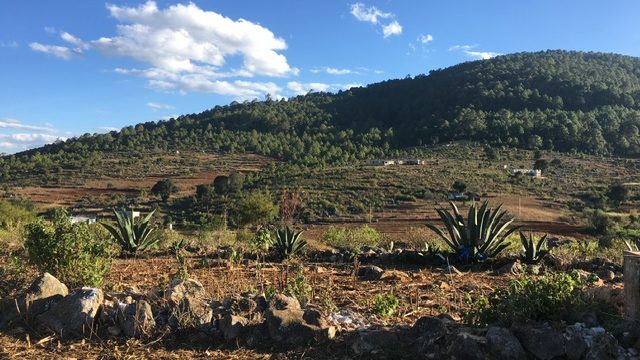
I grew up in the community of Santa María Apazco, Nochixtlán (Oaxaca), where Mixtec was my native language. I learned Spanish as a second language. At the age of 11, my older siblings took me to Mexico City so I could attend secondary school since there wasn’t one in my community at that time. In Mexico City, I didn’t speak Mixtec for a very long time. In school and on the streets, I was required to communicate in Spanish.
It was when I began studying a BA in Philosophy that I felt a strong need to reconnect with my native language, Mixtec. I started traveling frequently to my community and having extended conversations with the elders to regain fluency in the language. After completing my bachelor’s degree, I returned to my community for nearly two years to fulfil a “cargo” in my community, which means you participate in the community through work. It was during that time that I began writing in Mixtec about events in the community.
When I returned to Mexico City, I realised it was important to continue writing in my native language and I decided to write a play. I received a lot of support from a professor at my former university who is also a writer, Isaí Moreno. He recommended that I apply for a grant from FONCA, and from then on, I began writing theatre in Mixtec.

How did you start writing and producing films?
In 2006, I presented the play El Tapezco at a cultural event at the Museum of Folk Art in Mexico City. It was at this event that I met filmmaker Itandehui Jansen, who was presenting her documentary El rebozo de mi madre At the same event. What caught my attention was that film through the use of subtitles, allowed for the Mixtec texts to be understandable to a diverse audience that did not speak the language. This was quite complicated in theatre.
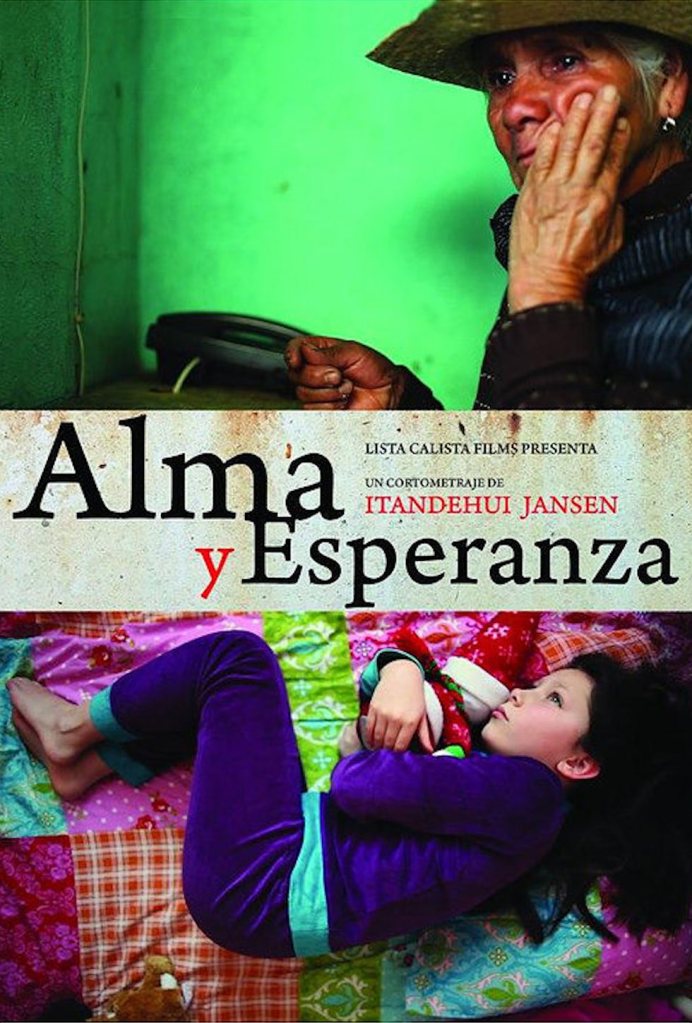
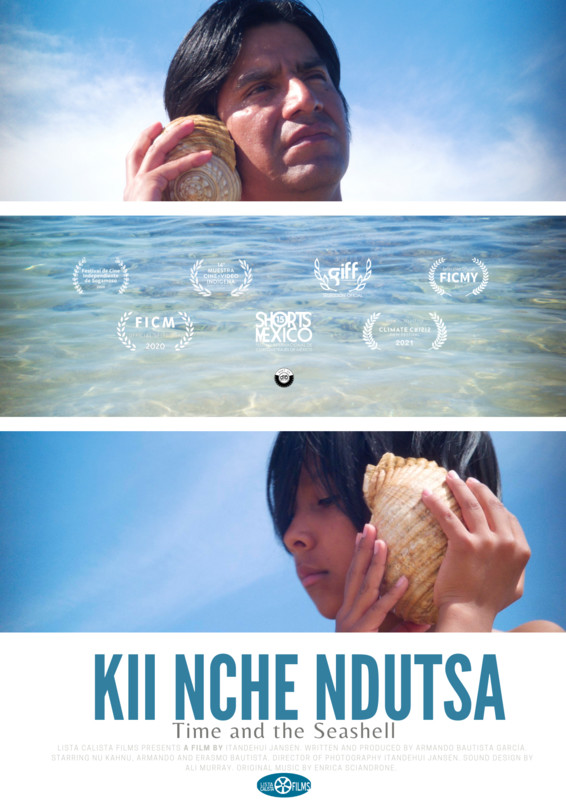
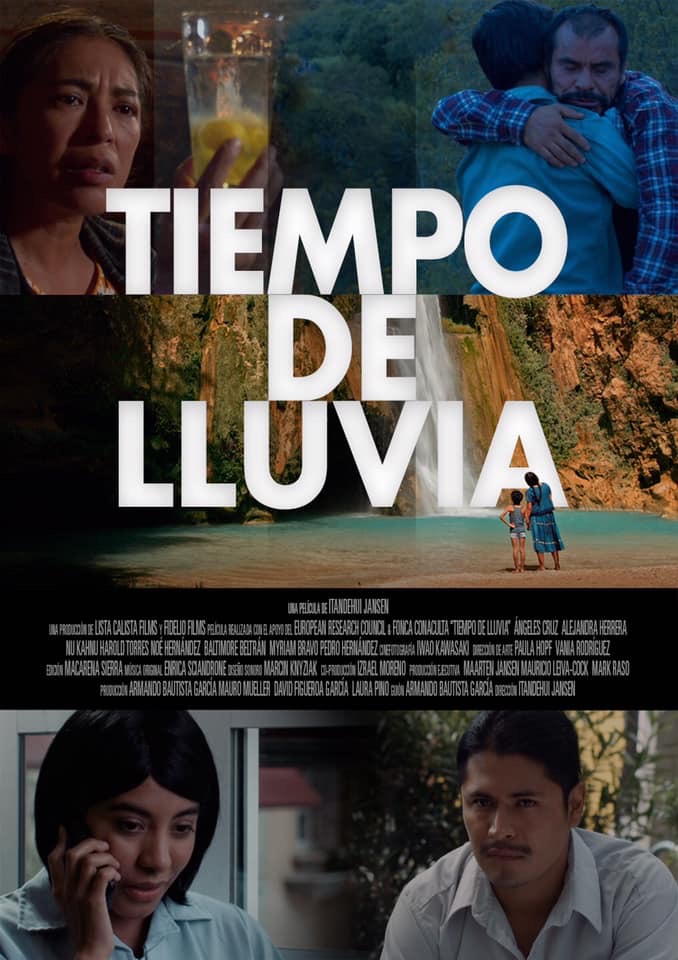
Itandehui primarily worked in documentary filmmaking but was interested in working on fiction projects. She invited me to pitch an idea for a short film script. So, I wrote the script for The Last Council. We filmed this short film in 2010 with the help of friends and various filmmakers who were interested in the project, such as Serguei Saldivar Tanaka, who was the director of photography. Due to the lack of budget, I took on the role of finding locations, local actors, and important props for the story. Without realising it, I ended up assuming the role of a producer. Later, I produced and wrote other short films like Alma y Esperanza (2012), Kii Nche ndutsa (2020), and the feature drama film In Times of Rain (2018).


How did the idea for Itu Ninu come about?
During the 2020 pandemic, we were all confined at home, and conventional filmmaking wasn’t possible. Itandehui came up with the idea for a story set in the future where a character is trapped in a house with smart technology. Initially, the idea was simply to continue making films under circumstances where we couldn’t film with a large cast or crew. We also wanted to convey the sense of confinement through the story. As time passed, the idea evolved.
We realized that the area where we live in Scotland is at risk of being flooded within the next 30 years due to climate change. We felt there was certain urgency in addressing Climate Change in the film. Simultaneously , indigenous languages are facing a crisis as the number of speakers is rapidly declining. This deeply concerns me, and so, the loss of both the natural environment and the loss of cultural heritage became the central themes of the movie.
How did you get involved as an actor in the film Itu Ninu?
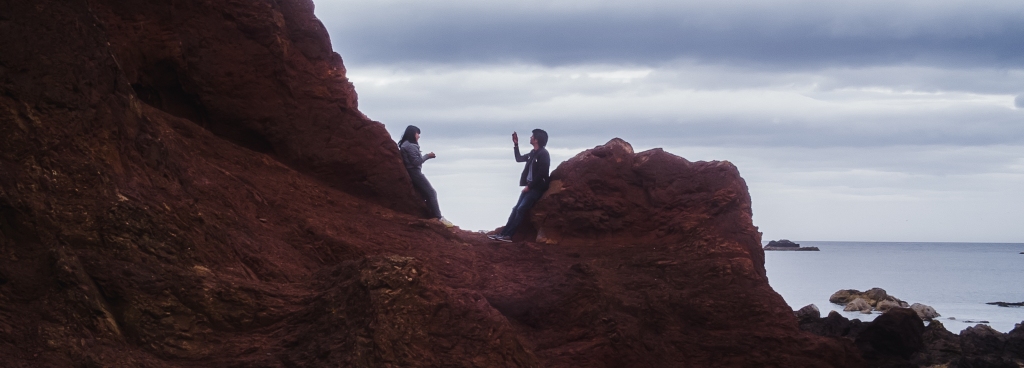
The story was set in a modern city without a specific location, so we decided to film in Edinburgh, where we live. Obviously, in Scotland, there was no one else who spoke Mixtec, so Itandehui suggested that I play the lead character. Despite my initial concerns about not having professional acting training, I decided to take on the role. Initially, the story focused on two characters communicating through letters but never meeting. However, this premise changed when actress Alejandra Herrera arrived in Edinburgh to play the role of Sofia. This collaboration was great as interacting with other actors made it easier to get into the character and the story. Furthermore, Alejandra Herrera has a lot of experience and provided me with suggestions to prepare my character. With Itandehui’s direction and through the collaboration with Alejandra, I was able to better understand my character throughout the shoot.

You are a screenwriter, producer, and actor in Itu Ninu. How did you manage to juggle these roles?
Itu Ninu is a very small production, and I had to take on different roles at different times. I handled all aspects of production, such as finding locations and acquiring props and costumes, before and after filming. As a producer, I was especially concerned with limiting the environmental impact, so I worked with the director to find second-hand costumes and props, look for locations accessible by foot or public transportation, and track resource usage through WE ARE ALBERT.
During the shoot, I concentrated on the acting. We didn’t write a script in the traditional sense. The director and I discussed the concept, the space and time in which the story would unfold, the characters, and key events. Therefore we had a kind of “oral” script, that wasn’t written, but instead existed in our conversations. After filming, I began writing a narrative thread to support the editing and wrote the Mixtec letters that were later recorded as voiceovers.
What does Itu Ninu mean?
“Itu Ninu” means a cornfield located high on a mountain. For me, this image represents a utopian place, a kind of paradise in a Mixtec context. I remember as a child, I loved visiting my parents’ cornfield in the mountains. It was a place, surrounded by trees, so it was always freshm and with a beautiful view.

What does it mean to you for the film to be part of the Official Selection at the Morelia International Film Festival?
We are eager to share our work with the audience and are extremely happy and grateful to be able to present the film at the Morelia International Film Festival. Additionally, we hope the film contributes to reflection on climate change, the importance of the cultural heritage of indigenous peoples, and the need to make films with a much smaller carbon footprint.
What are your upcoming projects?
I am currently working with the director on a Mixtec-language story set in the 12th century. The project is still in development, but we are excited to continue exploring and sharing stories that highlight the cultural and linguistic richness of our communities.
 Itu Ninu
Leave a comment