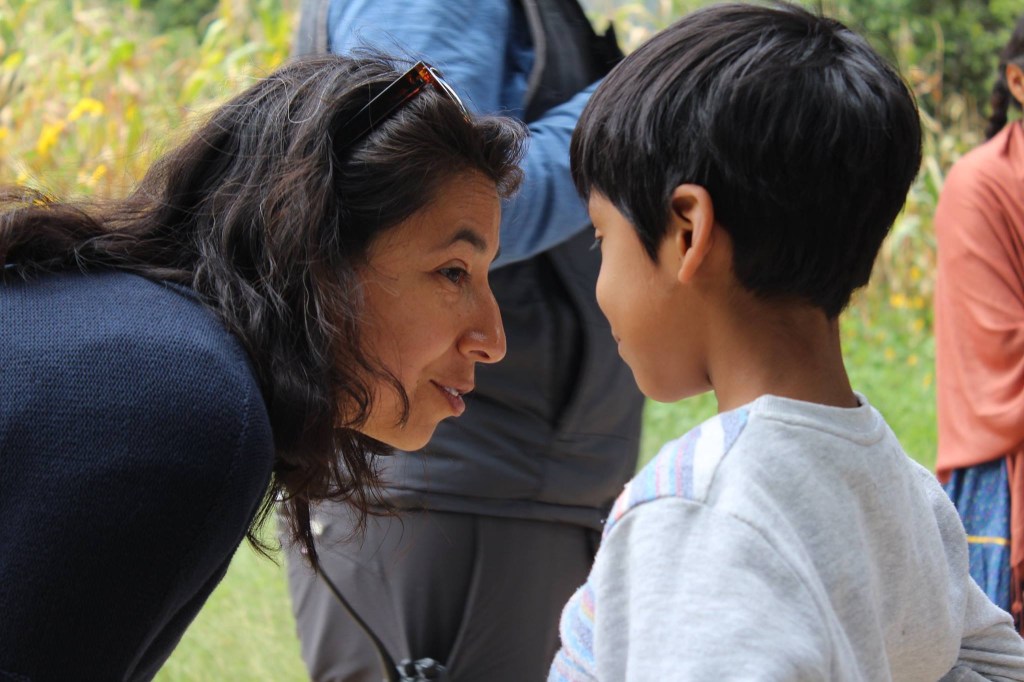
We had a conversation with Itandehui Jansen, director of Itu Ninu. Itandehui was born in Oaxaca and studied film at the Netherlands Film Academy in Amsterdam. She has participated in different development programmes such as Berlinale Talents, Cine Qua Non Lab, and Torino Film Lab. Her works have been showcased at international film festivals such ZINEBI, SLAMDANCE, the London Short Film Festival, the Bengaluru International Short Film Festival, the Guadalajara International Film Festival, and the Guanajuato International Film Festival. At present she heads the MA Film at Screen Academy Scotland, Edinburgh Napier University.
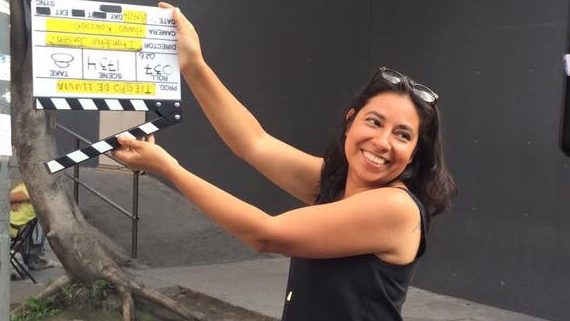

How did you start making films in Mixtec?
About 20 years ago, I was working on Eight Deer and Six Monkey, a documentary commissioned by the Secretary of Tourism of Oaxaca. The actress who was meant to do the voiceover for the film had to reschedule. Realising that the recording studio was empty, I thought my mother could do the voiceover in Mixtec. This was my very first attempt at making a film in Mixtec language. Later on, my mother and I collaborated on the documentary My Mother’s Rebozo, which is a portrait of Chalcatongo de Hidalgo, my mother’s community. Since then, I have directed a variety of short films, documentaries, and feature films, partially or entirely in Mixtec. I don’t really speak Mixtec myself. I can say very basic things like “How are you?”, “Where are you going?”, “I’m doing well” and “See you later.” I know some everyday words and phrases but cannot engage in a more elaborate conversation. This has always saddened me. Therefore, making films in Mixtec has become a way for me to reconnect with the language and the Mixtec community.


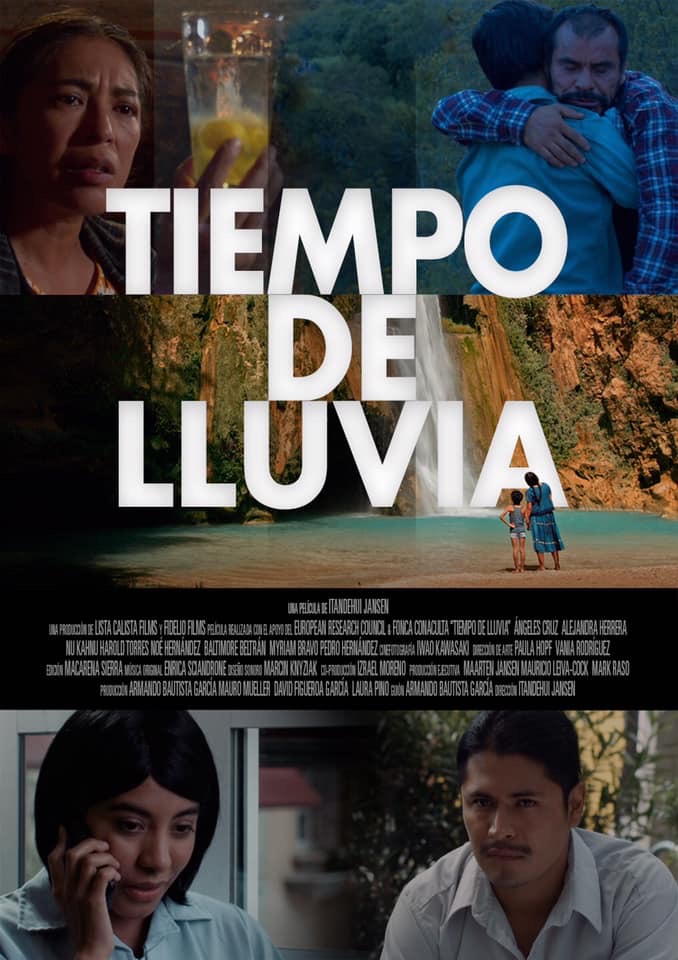
How did the idea for Itu Ninu come about?
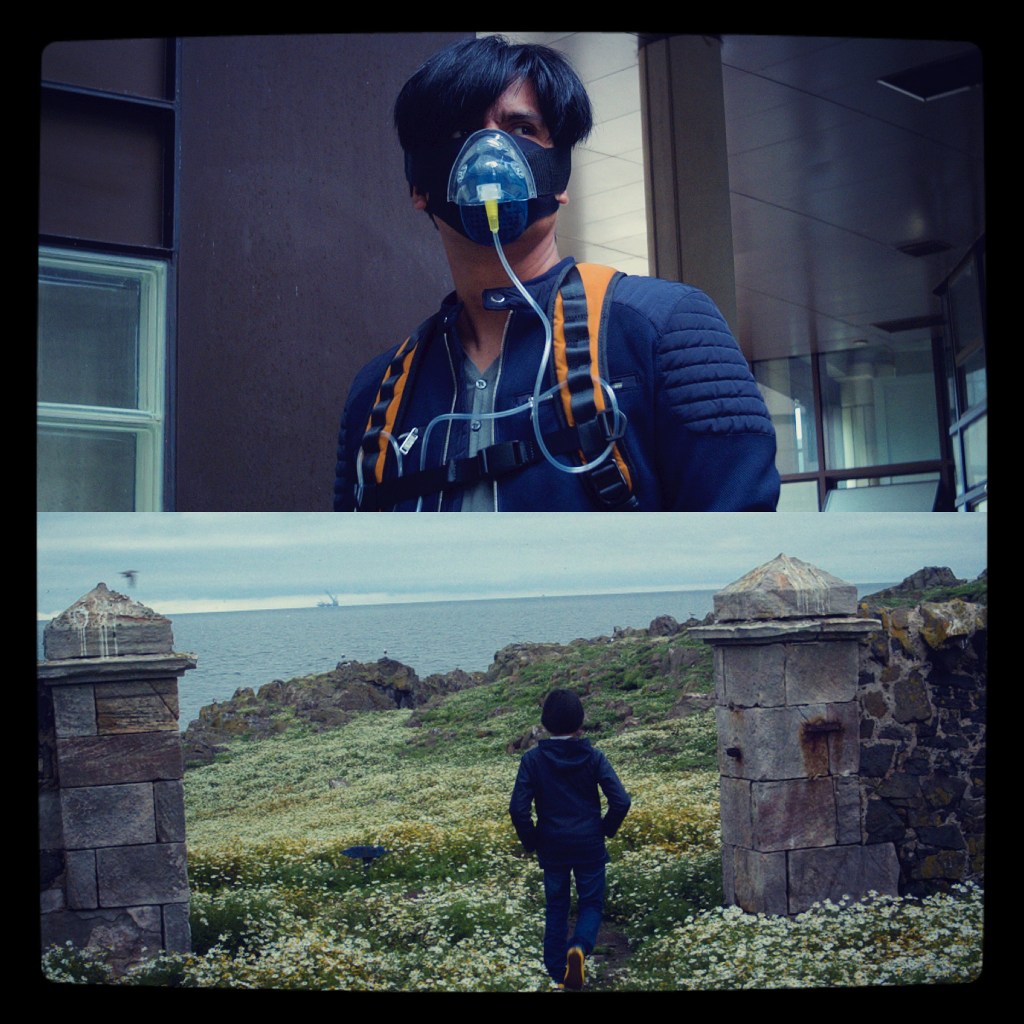
During the 2020 pandemic, I started developing a story that expressed the feeling of isolation caused by confinement. It initially focused on a character arriving at a house run by an artificial intelligence system. Over time, the story evolved and shifted its focus more towards the potential effects of climate change. We discovered that the area where we currently live could be underwater in the next 30 years due to global warming. We considered it important to address this issue and convey the sense of loss caused by changes in our natural environment in the film. Additionally, other ideas, such as a UK politician’s suggestion to monitor refugees with tracking devices, which I found so dystopian, were incorporated into the plot.

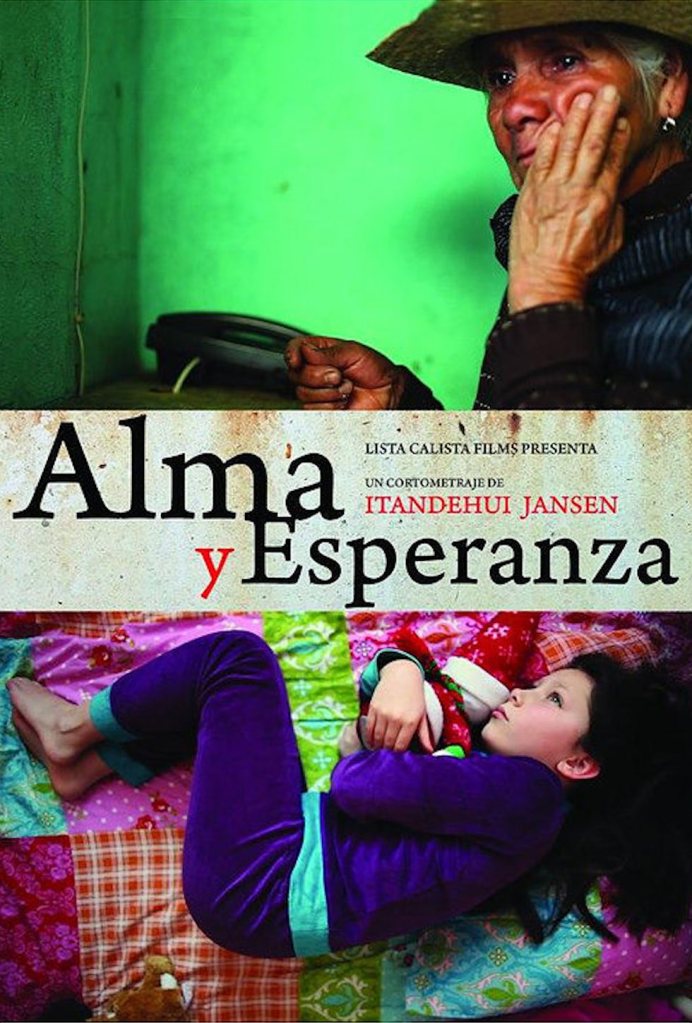
In your previous films, like My Mother’s Rebozo, The Last Council , and In Times of Rain, the community is very present and an essential part of the story. Why isn’t there a similar presence of community in Itu Ninu?
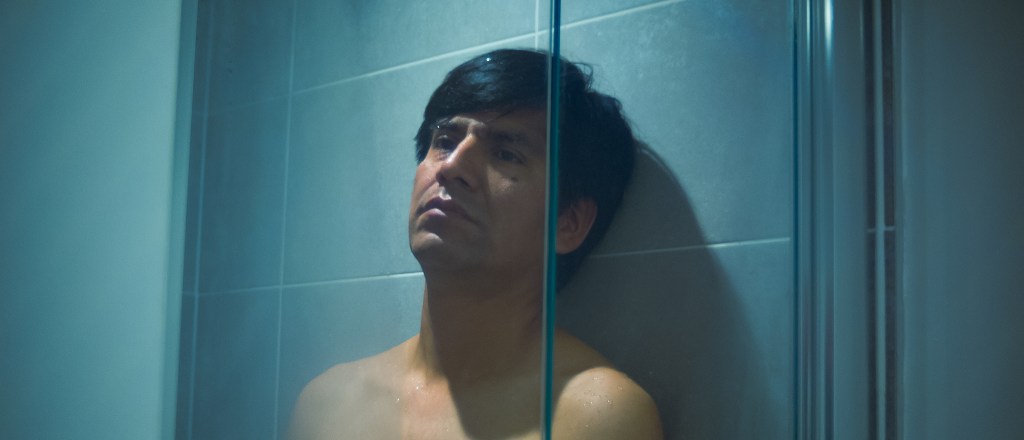
Itu Ninu is a film that explores a dystopian, bleak, and almost hopeless future. For me, the absence of community and the loss of affective relations with other human beings and nature, would entail a dystopic world. That’s why the characters in the film are mostly pictured alone, and in a completely urban space devoid of natural elements. I framed the characters in such a way that makes them appear completely isolated, even in settings where, based on sound and ambiance, one might infer the presence of more people. The search for a kind of community becomes the utopia that gives meaning to these characters’ existence.

Was the film inspired by other cinematic works?
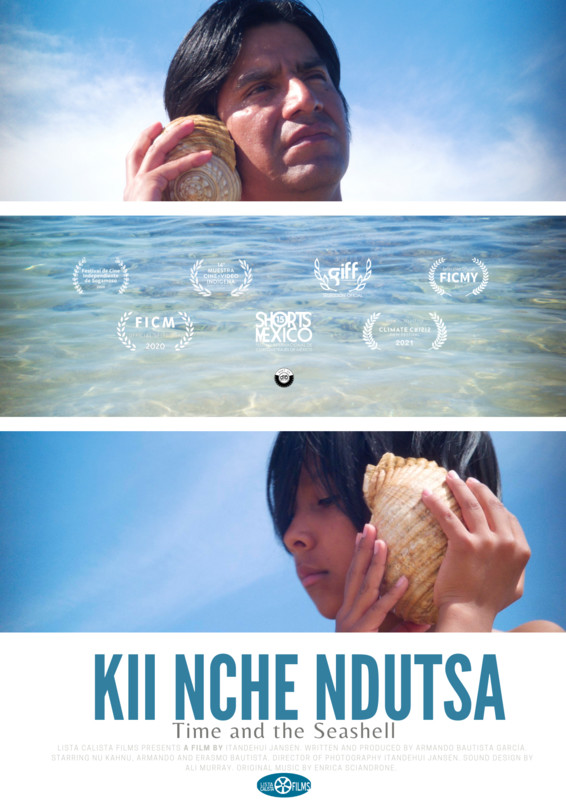
While working on Itu Ninu, I looked at various films with limited environmental impact, including works by Agnès Varda and Nicolás Pereda, among others. A more explicit reference comes from certain scenes in Kieslowski’s film The Double Life of Veronique, where the protagonist holds a crystal sphere and views the world through it. This image struck me as a beautiful metaphor for considering that there are other possible worlds depending on our perspective. At this moment, it is relevant for us to imagine futures in which we manage to limit global warming, prioritise emotional bonds with our natural surroundings, and seek a future with climate justice. The sphere in Itu Ninu invites us to imagine the possibility of different futures.
Are you working on any new projects?
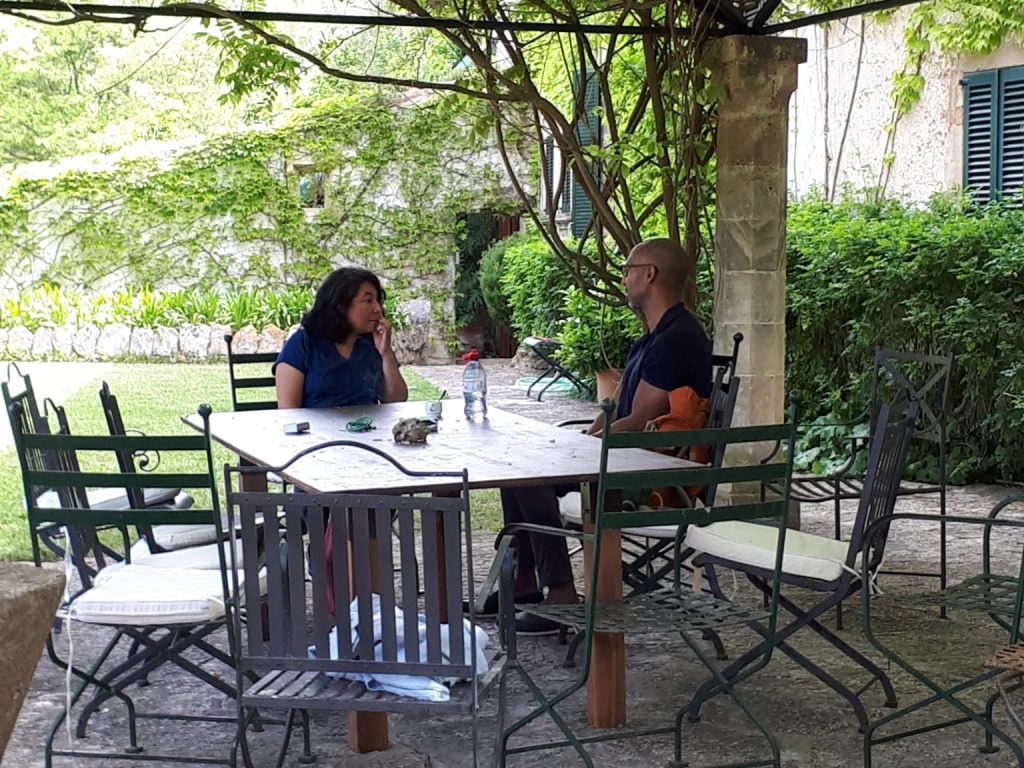
Currently, I am co-writing a script with Armando Bautista García for a film set in precolonial times that will be entirely in Mixtec. It’s a complex project for various reasons, but I am excited to tell the story from the perspective of a Mixtec woman. Additionally, in May I had the opportunity to participate in the Mallorca Write Retreat, where the project received feedback from script advisors such as Gyula Gazdag from the Sundance Institute and Savina Neirotti from the Biennale Cinema College. This was a great experience and this greatly supported me to progress with this project.


 Itu Ninu
Leave a comment